Asthma
Find out more about asthma, as well as the causes, prevention and treatment methods.
About
Asthma is a chronic (long-term) respiratory disease that affects the small tubes (airways) that carry air in and out of the lungs. When a person has asthma, their airways become inflamed and the muscles around the airways tighten, causing them to narrow, which makes breathing difficult.
Asthma affects both children and adults, and is the most common chronic disease among children. Various environmental and genetic factors may increase the risk of developing asthma, although it is often difficult to point to a single, direct cause.
Common risk factors include:
-
Genetics: Other close family members have asthma, such as a parent or sibling.
-
Health: Other allergic conditions are present, such as eczema and rhinitis (hay fever)
-
Early life events: low birth weight, prematurity, viral respiratory infections and exposure to tobacco smoke and other sources of air pollution, which affected lung development.
-
Environment: Exposure to allergens and irritants at home or at work.
-
Obesity: People who are overweight or obese are more at risk of developing asthma.
Symptoms
Symptoms vary in severity and frequency from person to person.
Common symptoms of asthma include:
- a persistent cough, especially at night
- wheezing when breathing in or out
- shortness of breath or difficulty breathing
- chest tightness, and difficultly taking a deep breath.
Asthma signs and symptoms may flare up or worsen in certain situations, such as:
- when you have a viral infection like a cold or flu,
- during changes in the weather (temperature changes), or
- changes in season (E.g. pollen count increases).
Other common triggers include:
-
Allergens: Dust, house dust mite, smoke, grass, flower and tree pollen, mould, animal fur, animal saliva and feathers
-
Irritants: Smoke, air pollution, strong odours (soaps and perfume), chemical fumes and gas
-
Exercise: Physical activity can trigger asthma symptoms in some individuals, which may be worse when the air is cold and dry
When symptoms become significantly worse, this is known as an asthma attack. Severe asthma attacks can be life threatening and may require emergency treatment.
Signs of an asthma emergency include:
- Rapid worsening of symptoms (shortness of breath, wheezing etc.)
- No improvement even after using a quick-relief inhaler
- Persistent shortness of breath, even when doing minimal physical activity
Asthma is often under-diagnosed and under-treated. People with under-treated asthma may experience:
- Interrupted sleep
- Tiredness and fatigue during the day
- Poor concentration
If you are experiencing any of these symptoms, you may have asthma.
Treatment and prevention
There is no cure for asthma, but there are several treatment options available. With the correct diagnoses and treatment, people with asthma can enjoy a normal, active life.
The most common and effective treatment for asthma is an inhaler, which delivers medication directly to the lungs. Treatment will depend on the frequency of symptoms and the types of inhalers available.
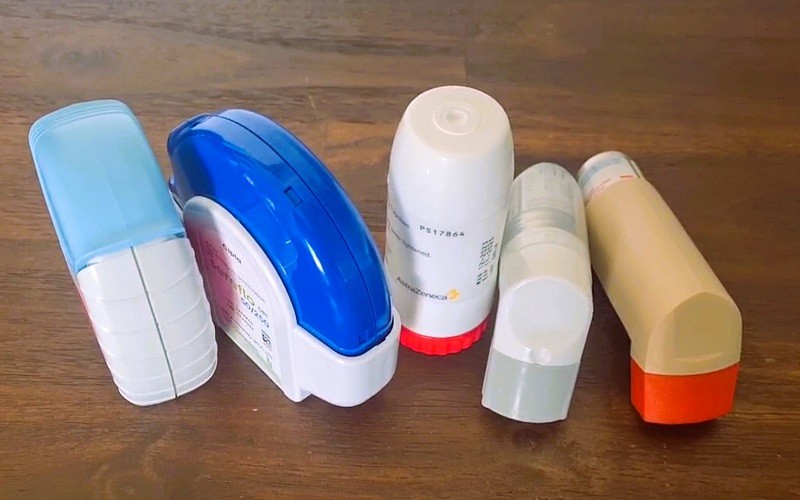
The two main types of inhalers are:
-
A reliever inhaler (also called a bronchodilator): This type of inhaler opens up the small airways and improves airflow in and out of the lungs. You should use this when you have symptoms.
-
A steroid, or preventer inhaler: This type of inhaler is an essential part of long-term asthma treatment. When used correctly, it reduces inflammation in the lungs, improves symptoms and reduces the risk of a severe attack.
What is a spacer?
A spacer is a plastic chamber, which connects the inhaler to your mouth via a mouthpiece or mask. Spacers allow you to breathe the medication in over time, which helps the medication reach the lungs more effectively and requires less coordination.
Some types of inhalers (e.g. dry powder inhalers) do not need a spacer – ask your doctor if you are unsure.
It is also important that you recognise when symptoms are worsening and take your inhaler early, or increase treatment to avoid a serious attack. Ask your doctor to explain how the medication in your inhaler works and how you should use it. Your friends and family should also know what to do if your asthma symptoms worsen.
INHALER TIPS
Read our tips on effective inhaler use.
Download PDF Visit your nearest
clinic or healthcare facility to find out more about:
- treatment options,
- triggers to avoid, and
- how to manage your symptoms at home.
Would you like to print this page?
print